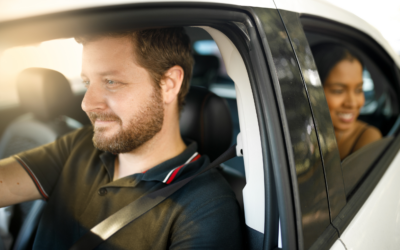

Winter in London can be unpredictable, one moment it’s raining, the next it’s sleeting, and before you know it, fog rolls in across the Thames.
For private hire drivers, this season brings new challenges on the road. Whether you’re driving for Uber, Bolt, or any other ride hailing operator, preparing for winter conditions is crucial to ensure safety, efficiency, and comfort for both you and your passengers.
This guide covers helpful tips you need to know about winter safety for private hire driving in London, from vehicle preparation and safe driving techniques to passenger comfort and how weather affects your PCO operations.
Why Winter Driving in London Requires Extra Care
London’s winter months (typically November to February) combine wet roads, icy mornings, and low visibility, a tricky mix for any driver, especially those on long shifts behind the wheel.
According to Silver Oak Solicitors, studies show that ice conditions directly lead to more than 2,500 road accidents and 29 fatalities each year in the United Kingdom.
In regards to accidents in London January has been named as “the worst month of the year for casualties” by MyLondon.
In urban environments like London, where traffic is dense and braking distances are shorter, winter driving requires more focus and preparation.
Key challenges include:
- Slippery surfaces: Black ice, wet leaves, and puddles increase the risk of skidding.
- Reduced daylight: Less daylight means more night driving and more glare from headlights.
- Mechanical stress: Cold weather affects tyre pressure, battery life, and braking systems.
Pre-Trip Winter Checks Every Private Hire Driver Should Do
Before setting off each shift, carry out pre-trip winter checks to make sure your vehicle is roadworthy and safe for passengers.
Essential Winter Vehicle Checks
Perform these quick but vital checks daily:
- Tyres: The legal tyre tread depth in the UK is a minimum of 1.6mm. Many experts recommend keeping tread depth above 3mm as anything under can seriously compromise performance and safety. Ensure tyres are inflated to the correct pressure. You can find the recommended tyre pressure in either your car’s manual or inside the driver’s door.
- Brakes: Test your brakes before starting a trip. Cold temperatures can cause brake pads and discs to wear unevenly.
Before setting off, inspect the brake pedal while the vehicle is stationary to make sure it isn’t soft or loose, and confirm the brake lights are functioning.
When it’s safe to do so, apply the brakes gently while moving to check for any pulling to one side.
Then accelerate to around 30 mph and brake firmly to a stop to verify the car slows down smoothly and evenly without pulsing or juddering.
- Battery: Batteries drain faster in winter. Check the battery charge or have your battery tested at least twice a year.
- Fluids: Top up screen wash with a winter formula that won’t freeze. Also check oil, coolant, and brake fluid.
- Wipers and lights: Replace worn wiper blades and ensure all lights (including fog lights) are working.
What to Include in Your Emergency Kit for Winter Journeys
Always keep an emergency kit in your car. An emergency kit can be a real lifesaver if you get stranded in snow, fog, or heavy rain.
Recommended items:
- Ice scraper and de-icer
- Torch and spare batteries
- Warm blanket and gloves
- First-aid kit
- Jump leads
- Portable phone charger
- Reflective warning triangle
- Bottled water and snacks
Even short trips across London can be delayed by breakdowns or unexpected weather, so being prepared is essential.
For a more detailed checklist, explore our Winter Car Checks guide on the Rapid PCO blog page.
Vehicle Prep for Winter: Tyres, Brakes & Handling in Cold Weather
Cold and wet weather drastically reduces traction, meaning your vehicle’s handling and braking distance can change overnight.
Tyres and Grip
- Check tyre pressure regularly, as it drops with the temperature.
- Avoid abrupt movements like steering too quick
- Before accelerating, build your speed up slowly and refrain from putting your foot down too sharply.
Brakes and Stability
- Brake earlier and more gently to avoid skidding.
- Turn off cruise control: Avoid using cruise control on wet or icy roads, as it can be dangerous and reduce your control.
Safe Driving Techniques in Winter Conditions
Even with a well-prepared car, driving technique makes all the difference. London’s roads can be unpredictable, from wet side streets in Hackney to foggy conditions on the North Circular.
Driving Safely in Snow, Ice, and Rain
- Reduce your speed: It takes longer to stop on wet or icy surfaces.
- Increase your following distance depending on the weather condition. Check out government guidance on driving in adverse weather conditions.
- Avoid harsh acceleration or braking: Smooth movements help maintain control.
- Use headlights in fog or rain: “You MUST use headlights when visibility is seriously reduced, generally when you cannot see for more than 100 metres (328 feet). You may also use front or rear fog lights but you MUST switch them off when visibility improves.”
For further information on Government Guidance you can find the driving in adverse weather conditions here.
- Plan routes wisely: Avoid known flooded areas when possible.
You can learn more about mindful driving in our Guide to Defensive Driving for PCO Drivers.
Passenger Safety and Comfort in Cold Weather
As a private hire driver, your passengers’ comfort is part of your service. A warm, safe ride builds trust and in the winter months, can potentially lead to higher ratings and tips.
Keep Your Car Warm and Inviting
- Preheat the car before picking up passengers but never idle too long.
- Offer seat warmers if available, they’re a nice touch during frosty mornings.
- Offer to adjust the temperature for passenger comfort.
Maintain Visibility and Cleanliness
- Keep windows and mirrors clear of condensation and frost.
- Clean the windscreen inside and out: Fog and smudges worsen glare.
- Ensure your rear camera and sensors are free from snow or dirt.
How Winter Weather Affects PCO Operations
Winter can bring more demand for private hire. Understanding how weather impacts your operations can help you stay profitable and safe.
- Increased demand: Cold weather and bad conditions mean more people may be more inclined to choose PCO drivers over walking or public transport.
- Longer journey times: Factor in slower traffic and extended drop-off times.
- Vehicle maintenance: Budget for higher running costs as tyres, wipers, and fluids wear faster in winter.
- TfL rules and safety checks: Make sure your vehicle remains compliant with TfL private hire vehicle requirements.
Stay Safe When Driving In London This Winter
Winter driving in London doesn’t have to be stressful. With the right preparation, vehicle care, and driving habits, you can stay safe and keep your passengers happy.
Reminder: Your professionalism as a driver includes how well you adapt to challenging conditions.
Hire With Rapid PCO
Whether you’re just starting your private hire journey or are a seasoned driver, Rapid PCO has you covered with reliable, well-maintained PCO-ready cars designed for comfort and safety in all seasons.
Explore our available PCO car hire options and make sure you’re driving the right vehicle for you in the different seasons.
With Rapid PCO, you can focus on your passengers, we’ll handle the rest.